
The Step-by-Step Process Used to Manufacture High-Performance Carbon Fiber Tubes Today
The Step-by-Step Process Used to Manufacture High-Performance Carbon Fiber Tubes Today
May 29, 2026
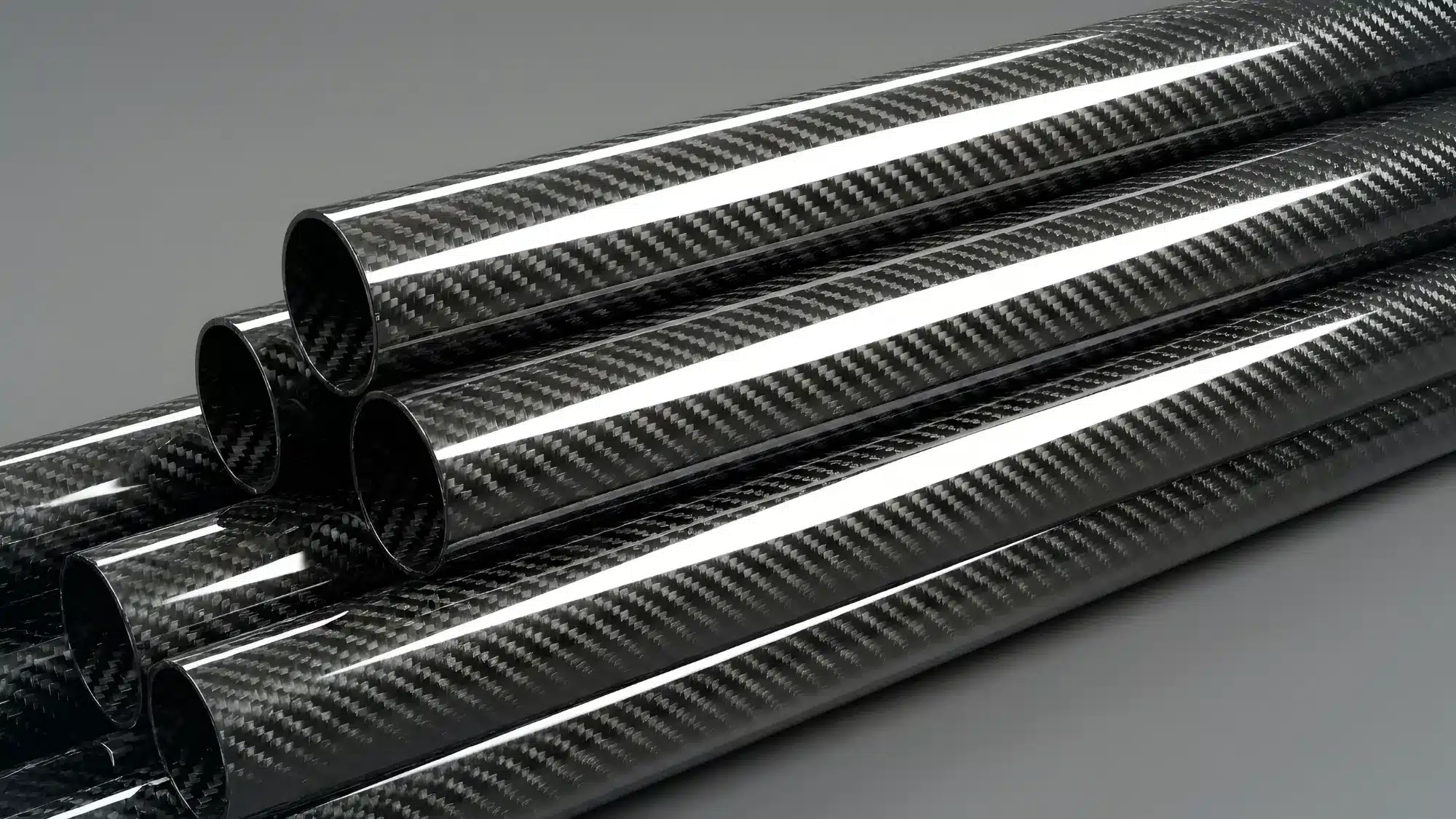
Carbon fiber is revolutionizing industries with its lightweight yet strong properties, making it a critical component in sectors such as aerospace, automotive, and sports equipment. Understanding the intricate process of carbon fiber tube manufacturing can give enthusiasts and professionals alike a deeper appreciation for these high-performance materials. Here, we break down the detailed steps involved in producing quality carbon fiber tubes, as executed by leading manufacturers such as Forte Carbon.
Step 1: Raw Material Sourcing
The manufacturing process begins with sourcing the highest quality raw materials. Carbon fiber production typically uses a precursor material like polyacrylonitrile (PAN). As a key component, this precursor undergoes a process called “carbonization” to transform it into fibers primarily composed of carbon atoms.
Step 2: Creating Filaments
Once the precursor is sourced, it’s subjected to an initial threading and stretching procedure to form long bundles of fibers known as filaments. During this stage, the material is stretched to enhance its structural alignment, crucial for end-product strength and performance.
Step 3: Carbonization
The carbonization process is a pivotal step in carbon fiber tube manufacturing. The raw filaments are exposed to extreme temperatures between 1,000 and 3,000 degrees Celsius in an inert environment to prevent combustion. This process strips away non-carbon atoms, crystallizing the carbon into tight, organized structures and forming the signature strength of carbon fibers.
Step 4: Surface Treatment
Following carbonization, the fibers undergo a surface treatment. This often involves chemical reactions that etch the surface, improving the bond strength between the fibers and the epoxy used as a binding matrix in composite materials. This step is fundamental for manufacturing robust and durable carbon fiber tubes.
Step 5: Sizing Application
Next, the fibers receive an application of sizing, a type of binding agent that helps protect them during winding and weaving. This process ensures that the fibers maintain their integrity and mechanical properties throughout the subsequent manufacturing stages.
Step 6: Winding and Molding
In this phase, the prepared fibers are wound onto a mandrel or layered into a mold, depending on the design and specifications of the desired tube. This is where the art of carbon fiber tube manufacturing truly shines, as the orientation of fiber threads greatly influences the tube’s strength and flexibility.
Step 7: Resin Impregnation
The wound or layered fibers are then impregnated with a resin, usually epoxy, to ensure cohesion and stability. This process transforms the layered material into a singular, solid component. Controlling the resin content and ensuring even distribution is crucial for producing a high-quality tube.
Step 8: Curing
After resin impregnation, the tubes undergo a curing process. This typically involves placing them in an autoclave or specialized oven where heat and pressure are applied. Curing solidifies the resin, permanently binding the fibers together and setting the structure of the tube.
Step 9: Finishing Touches
Once cured, the tubes are meticulously inspected for defects. This part of carbon fiber tube manufacturing includes cutting and refining the tubes to precise dimensions and applying any additional coatings for protection or aesthetic purposes.
Industry Applications
The superior strength-to-weight ratio of carbon fiber tubes makes them indispensable in diverse applications, from enhanced sporting goods to cutting-edge aerospace components. For instance, in cycling, carbon fiber tubes provide lighter frames without compromising durability and resilience.
Conclusion
The meticulous nature of carbon fiber tube manufacturing ensures that the resulting products meet stringent industry standards, offering unparalleled performance and versatility. As companies like Forte Carbon continue to innovate, these high-performance materials will only expand their relevance across more sectors, promising efficiency and strength where it’s needed most.
For businesses and individuals looking to leverage the latest in carbon fiber technology, understanding this manufacturing process is crucial. We encourage potential customers to explore options and consult with industry experts to find the best solutions tailored to their specific needs.
Comments are closed.